Dortmund, 11th March 2026
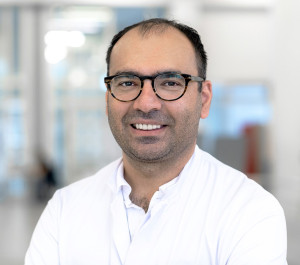
PD Dr Anna Klinke is Head of the Agnes Wittenborg Institute for Translational Cardiovascular Research at the Herz- und Diabeteszentrum NRW (HDZ NRW). As part of the HI-FIVE project (see info box), she is working to gain new insights into heart failure by using patient-specific stem cells. Alongside ISAS, the Lead Discovery Center GmbH, and her colleagues at HDZ NRW, she is conducting research into developing a new therapeutic approach for heart failure.
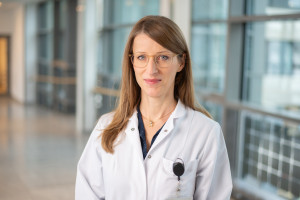
PD Dr Anna Klinke is Head of the Agnes Wittenborg Institute for Translational Cardiovascular Research at the Herz- und Diabeteszentrum NRW.
© HDZ NRW
What does a typical working day look like for you?
As I lead many different research projects, my daily routine is heavily influenced by communication. I regularly discuss the status of projects, in terms of both content and methodology, with my interdisciplinary team of postdoctoral researchers, PhD students, and other colleagues from the fields of the natural sciences, medicine, and technology. I also coordinate with external partners on the further development of projects or joint publications, for example.
My job also involves reviewing and writing: I review funding applications and manuscripts, and I write specialist publications and submit funding applications. I also coordinate ethics applications, help plan studies and work with patient samples, although I don't personally supervise these them.
How did you become interested in heart research?
During my pharmacy degree, I developed a particular interest in physiology, the study of how organs interact in the human body. So, when I was looking for a PhD position, I deliberately chose a field that deals with physiological processes in the whole organism. Cardiology was an obvious choice because the cardiovascular system is central to these processes. I did my PhD in this field and have remained loyal to it ever since.
What motivates you in your work?
In research, our motivation are clearly the patients. We are in close contact with doctors and constantly ask ourselves: Which treatment problems are still unresolved? What do we still not understand about certain patients? Where should we start with their treatment? To me, research that doesn't consider possible therapeutic relevance would make no sense.
The ultimate goal must be to bring new findings into the clinic, to the patient's bedside. The biggest challenge remains translation: the path from experimental basic research to clinical application.
ow does the collaboration between your institute and the Clinic for General and Interventional Cardiology / Angiology work?
My team and I work closely with the clinic, meeting regularly with the clinic director and other doctors involved in research. Together, we discuss gaps in patient care, unanswered questions, and how we can contribute from a lab perspective.
Our medical doctoral students, who act as a link between the clinic and the laboratory, also play an important role in this collaboration. For instance, if we discover a link between specific factors in mice, we verify whether this can be replicated in the patient population. To achieve this, we evaluate echocardiography data and cardiac catheter measurements to clinically verify our experimental results. This establishes a close, mutual exchange between basic research and patient care.
As part of the HI-FIVE project, researchers and physicians are developing a new therapeutic approach to heart failure. The focus is on GRK5 inhibitors. These active substances are designed to block an enzyme that plays a central role in the disease process and is pathologically overactive in heart failure. The joint project aims to enable more precise treatment of various forms of heart failure in the future, particularly for patients for whom current therapies have been ineffective or for whom there is yet no suitable treatment.
‘HI-FIVE – GRK5 inhibitors for the treatment of various heart failure entities’ was launched in July 2025. The three-year project is being funded by the North Rhine-Westphalia state government and the European Union with approximately 2.1 million euros.
What is your role as Scientific Director for HI-FIVE at HDZ NRW?
Initially, I worked with Prof. Dr Tanja Rudolph, our medical director, to define the patient groups. Our main focus was establishing clearly defined clinical inclusion criteria, so that we would be able to examine well-defined, heterogeneous groups in our study of around 500 participants.
My focus at HI-FIVE is on stem cells. In our lab, we have developed a process for creating induced stem cells from monocytes by reprogramming them. We are currently working on further differentiating these stem cells by guiding them into specific specialized cell types. In particular, we generate cardiomyocytes, the muscle cells of the heart, and endothelial cells, which line the inner walls of blood vessels. This enables us to produce heart and vascular cells from the stem cells of individual patients. With these, we are able to investigate the mechanisms of disease and the different types of heart failure, as well as testing new drugs. Optimising and fine-tuning these laboratory processes is a central part of my work.
Could you explain the role that stem cells play in heart failure research?
In the HI-FIVE project, stem cells establish a connection between patient phenotypes, meaning observable cell characteristics, and the effects of active substances, such as GRK5 inhibitors. Our aim is to generate cardiomyocytes and endothelial cells from the patient's own stem cells, and to establish whether these cells accurately reflect the disease-specific phenotype.
In the case of non-genetic heart failure, particularly metabolic forms, it is unclear whether pathological characteristics can be reproduced in reprogrammed stem cells. It is also unclear whether cells differentiated from these cells carry the disease-specific phenotype. We aim to address this fundamental issue. Additionally, stem cells enable us to test the respective GRK5 inhibitor directly on human cells and investigate its effectiveness. The cells are therefore a crucial tool for bringing experimental findings closer to clinical reality
Which aspects of the upcoming project phases are you particularly looking forward to?
I am excited to see Prof. Dr Kristina Lorenz's research group at ISAS functionally examine our first patient-specific stem cells. We will be able to measure the contraction and contractile force of the heart muscle cells, as well as their mitochondrial function – in other words, precisely the interaction between energy balance and mechanical performance that is central to heart function. We are already working with stem cell-derived cardiomyocytes in other projects and are familiar with the challenges and excitement of these experiments.
Combining the data collected at ISAS with our own results will be particularly interesting. Thanks to our close collaboration, we benefit from each other's analytical methods. Ultimately, I hope that the considerable effort involved in the stem cell project will provide valuable insights into the pharmacological effect.
(The interview was conducted by Eske Haverkamp.)