Dortmund, Duisburg/Essen, 10th November 2026
Thanks to modern treatment strategies, an increasing number of people are surviving cancer. However, the chemotherapy and immunotherapy used in these treatments can cause long-term damage to the cardiovascular system, with life-threatening consequences. Researchers and clinicians are jointly investigating for the first time, how these effects can be detected early and prevented in the future. The new Leibniz Cardio-Oncology Campus for Precision Medicine brings together cardiologists, oncologists and researchers from the Leibniz-Institut für Analytische Wissenschaften – ISAS – e. V. and the University of Duisburg-Essen, including University Hospital Essen. The Leibniz Association is funding the project with around 1.2 million euros for the first four years.
From cardiac arrhythmias and heart attacks to cardiomyopathies and heart failure – the consequences of cancer treatments can be very serious. They may occur during oncological therapies, develop gradually, or cause symptoms years later. In some cases, clinicians have to adjust or even interrupt cancer treatment to protect the heart. To prevent cardiac damage, scientists and clinicians in Dortmund and Essen are investigating the molecular changes that precede heart damage caused by various cancer treatments. The findings are intended to lead to new diagnostic, preventive and therapeutic approaches.
New blood tests are designed to detect the risk of heart damage caused by cancer therapies at an early stage
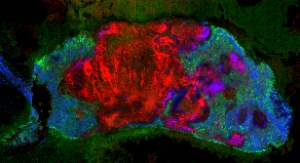
One focus of the Leibniz Cardio-Oncology Campus is the development of blood tests for early diagnosis. These are intended to identify signs of developing heart damage in cancer patients – ideally before symptoms appear or heart function changes. To understand what causes heart damage at a molecular level in the body during various cancer therapies, the project partners are combining the results of various analyses from basic research with clinical data from patients.
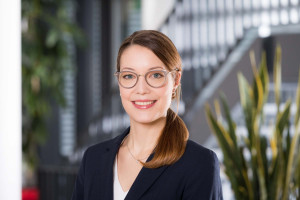
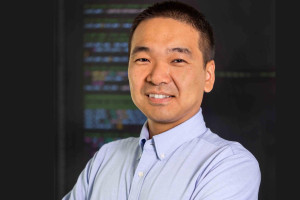
Prof. Dr Anika Grüneboom, ISAS
© ISAS / Hannes Woidich
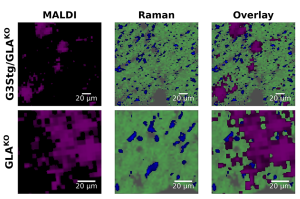
“Our aim is to identify biomarkers that indicate a developing heart damage. In the next step, we aim to use these to develop measurable criteria for personalised risk assessment,” explains Prof. Dr Anika Grüneboom, head of the research group Bioimaging at ISAS and co-coordinator of the Leibniz Cardio-Oncology Campus. The methods used for this include PET and MRI scans, cardiac ultrasound and mass spectrometry (imaging).
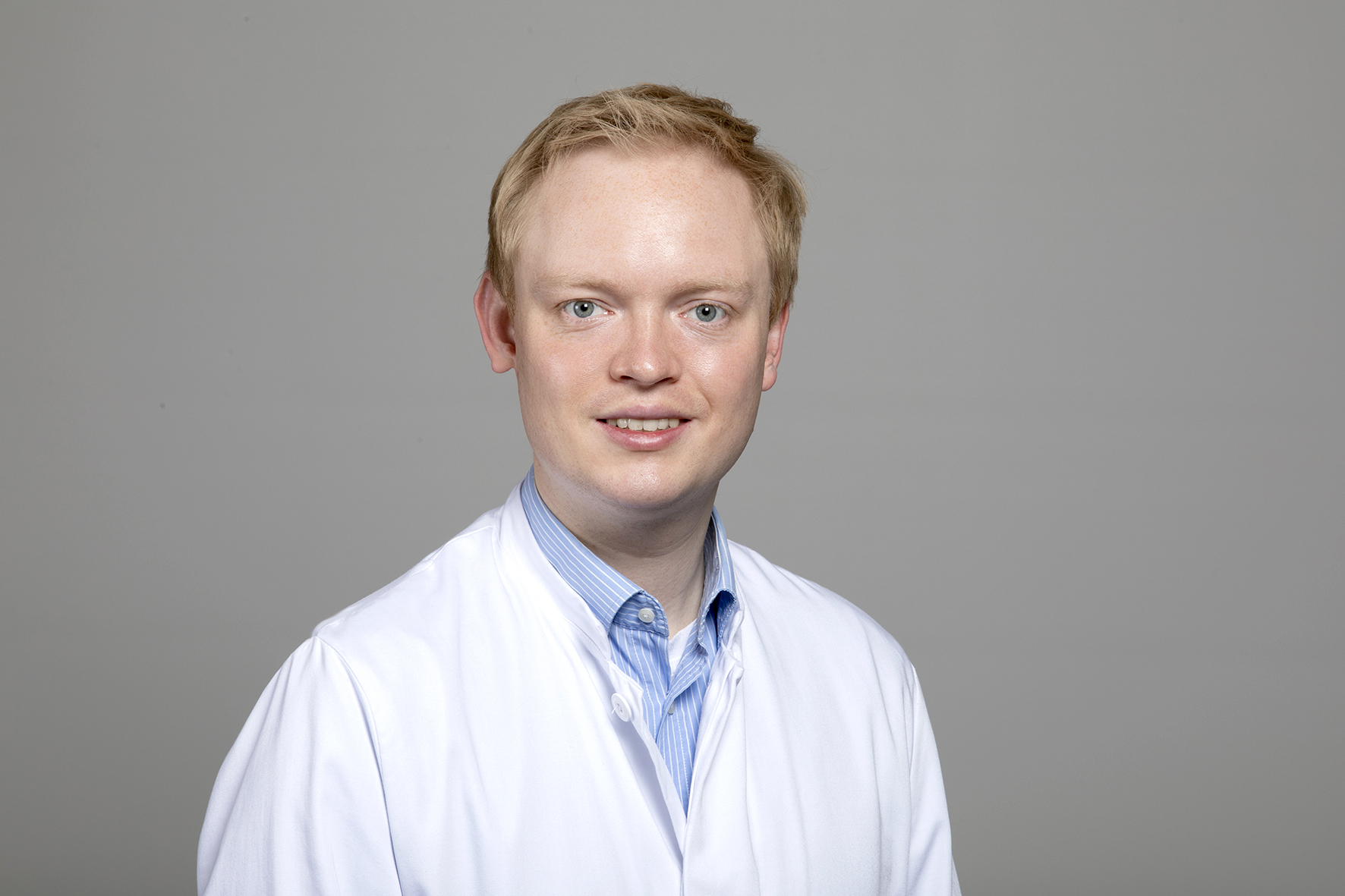
“If we identify patients at increased risk of heart damage at an early stage, we can tailor their cardiological monitoring and respond promptly to the first signs of change without compromising their cancer therapy,” emphasises PD Dr. Lars Michel, senior physician at the Department of Cardiology and Angiology at University Hospital Essen and co-coordinator of the Cardio-Oncology Campus.
PD Dr Lars Michel, University Hospital Essen
Initial focus: melanoma
The Leibniz Cardio-Oncology Campus is launching with malignant melanoma (black skin cancer) as first indication, as data is already available from Essen University Hospital for around 390 patients with documented cardiac dysfunction. The findings gained from this will then be applied, step by step, to other types of cancer, including breast cancer and leukaemia (blood cancer). In the long term, the researchers and clinicians aim to contribute to a more personalised approach to cancer treatment that effectively combats tumours in patients whilst providing the best possible protection for the heart.
Website for patients and medical practitioners
Information and contact details for patients and their relatives, as well as for medical practitioners and practising oncologists, on the subject of heart damage following cancer treatments are available via www.isas.de/cardiooncology-campus (the Englisch website will be launched soon).
About the Leibniz Science Campi
Leibniz Science Campi are regional collaborations between Leibniz institutes and universities centred on a shared scientific theme. Through interdisciplinary cooperation, the partners pool their expertise, further develop fields of research and strengthen the scientific profile of their respective locations. The aim is to generate new scientific impetus by linking non-university and university research, and to jointly address issues of societal relevance.
Downloads
-
PDF (0.16MB)
Press release: Leibniz Cardio-Oncology Campus on Heart Damage Following Cancer Therapy
-
JPEG (0.14MB)
Portraitfoto von Prof. Dr. Anika Grüneboom
(The photo is available for editorial use exclusively exclusively for reporting on this subject. Credit: ISAS)
-
JPG (0.87MB)
Portraitfoto von PD Dr. Lars Michel
(The photo is available for editorial use exclusively exclusively for reporting on this subject. Credit: University Hospital Essen)