Skip to content
New at UDE: Jianxu Chen

Biomedical Image Analysis with AI

Dortmund, 2nd July 2026

High-performance microscopes provide high-resolution insights into tissues and cells. Artificial intelligence helps to analyse the vast amounts of complex image data. Dr Jianxu Chen, newly appointed Professor of AI for Biomedical Analytics at the Faculty of Medicine at the University of Duisburg-Essen (UDE), is conducting research in this field at the Leibniz-Institut für Analytische Wissenschaften – ISAS – e. V. With this appointment, UDE and ISAS are continuing their successful collaboration; the professorship is awarded according to the Jülich model.

“Machine learning algorithms can analyse thousands of microscope images within a matter of minutes and identify information that remains hidden from the human eye and brain,” explains Prof. Dr Jianxu Chen. The challenge lies in comprehensively analysing the enormous volumes of complex image data. These are often three-dimensional, captured across multiple image channels and sometimes generated over extended periods of time. “The key is being able to identify relevant patterns, changes, or correlations within them – such as minimal differences between healthy and diseased cells.”

This is where Chen’s research comes in. Together with his team, the computer scientist develops tailor-made AI software – always based on specific biomedical questions. To this end, Chen collaborates closely with research groups at Essen University Hospital, the UDE, and ISAS. The 37-year-old sees his research as a bridge between biomedicine and computer vision: “In practice, we achieve the best results when we can incorporate AI methods even before the imaging is planned.” This would allow for extracting the maximum amount of information from the data.
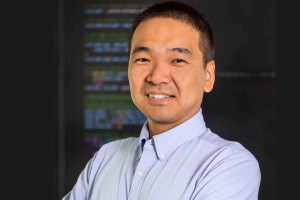
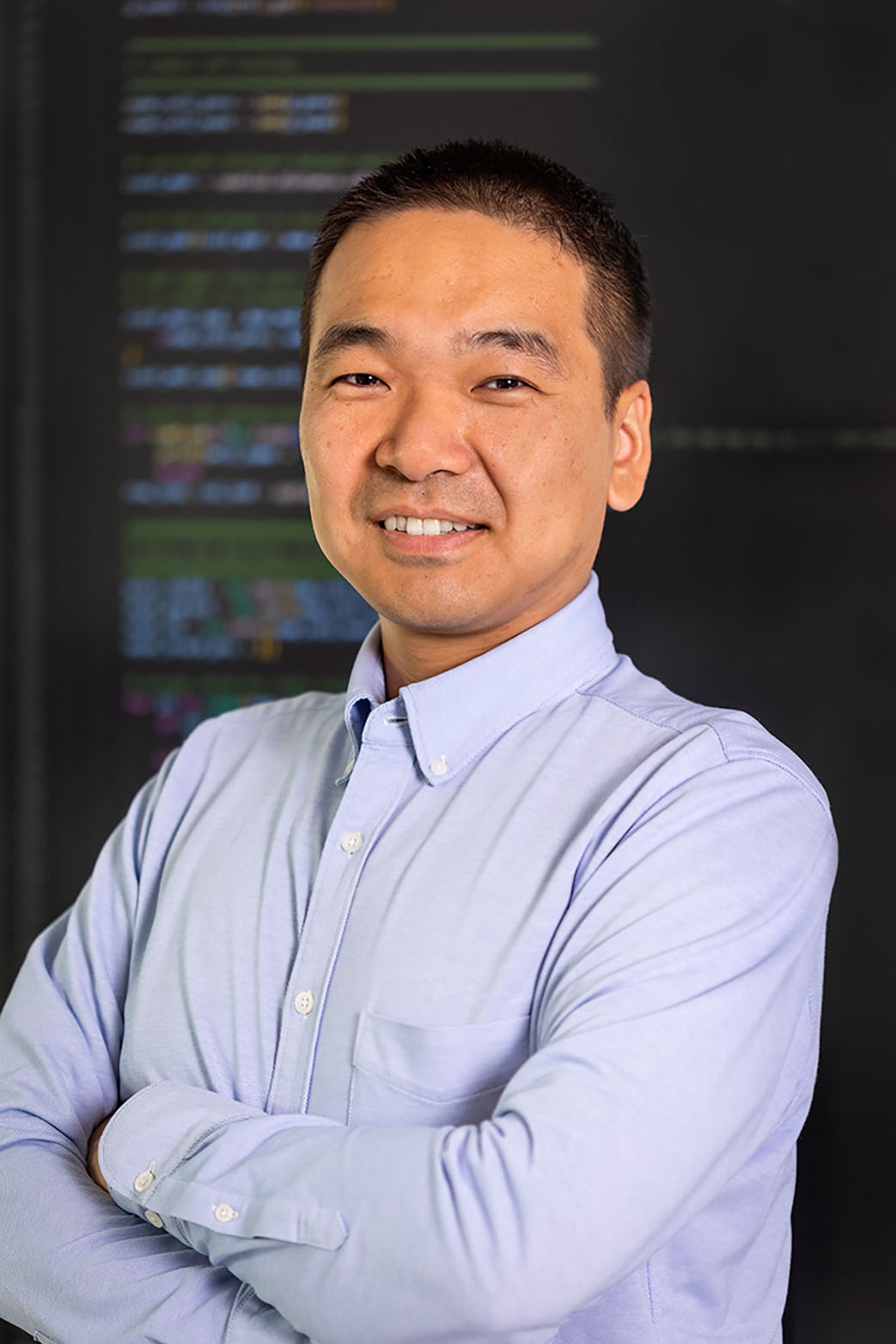
Portrait von Dr. Jianxu Chen.

Prof. Dr Jianxu Chen

© ISAS / Hannes Woidich

Chen studied mathematics (2007-2011) at the University of Science and Technology of China. In 2017, he earned his Ph.D. in Computer Science and Engineering from the University of Notre Dame (USA). For four years, he conducted research at the Allen Institute for Cell Science in Seattle, where he led the research and development unit focused on machine learning in the analysis of cell images. In 2021, Chen moved to Dortmund to join ISAS and take over as the Head of the AMBIOM – Analysis of Microscopic BIOMedical Images junior research group. He has received several national and international grants for his research, including various awards from the German Research Foundation (Deutsche Forschungsgemeinschaft), the Federal Ministry of Research, Technology and Space (Bundesministerium für Forschung, Technologie und Raumfahrt) and the Chan Zuckerberg Initiative (USA).

The MSCoreSys associated junior research group AMBIOM – Analysis of Microscopic BiOMedical Images is funded by the Federal Ministry of Research, Technology and Space (Bundesministerium für Forschung, Technologie und Raumfahrt, BMFTR) under the funding reference 161L0272.
Downloads

Share

Further press releases

29th June 2026

It's What's Inside That Counts: Neutrophils Form Distinct Subtypes

Neutrophils can be divided into two distinct subgroups with completely different functions. The surface protein CD177 plays a decisive role in this. For the first time, researchers from the Faculty of Medicine at the University of Duisburg-Essen and ISAS have been able to demonstrate, using a new integrated proteomics and lipidomics analysis, that the molecular signatures in CD177-defined neutrophils differ significantly from one another. The presence of this surface protein has implications for disease progression, for example in head and neck tumours.

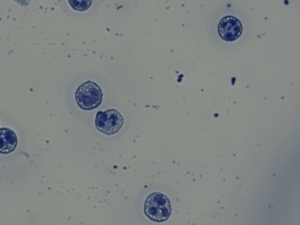
CD177 negative Neutrophile.
26th November 2025

New Drug Candidates for the Treatment of Heart Failure

Researchers from North Rhine-Westphalia are working on a new therapeutic approach for the treatment of heart failure as part of the recently launched HI-FIVE project. They are developing active substances that specifically inhibit an important enzyme with the aim of closing gaps in the care of patients with heart failure.

26th September 2025

Microbiome Research: EU Network METAMIC 3 Is Looking for Doctoral Candidates

In the new EU network METAMIC 3, young scientists will be researching the role of microbiomes in the context of ‘One Health’ for their dissertations. Metaproteomics methods will be applied in this research. Furthermore, stays at various European institutions are part of the doctoral programme. The doctoral positions are now open for applications.

Prof. Dr. Robert Heyer is Head of the research group Multidimensional Omics Data Analysis at ISAS and coordinator of the network.
7th February 2025

The Less the Better

If neutrophil granulocytes migrate into injured tissue, for example into the brain after a stroke, they can promote chronic inflammation and cause long-term damage. In order to analyze the functional dynamics of these immune cells, millions of them are needed. A group of researchers recently developed a method that enables mass spectrometric analysis with just 1,000 neutrophils.

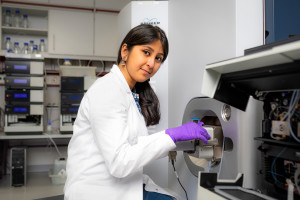
Susmita Ghosh am Massenspektrometer.
20th January 2025

Prolonged Health with a Compound Found in Mushrooms?

Is an active ingredient from shiitake or oyster mushrooms able to prolong ageing health? An international team of researchers led by Dr habil. Miloš Filipović has unravelled the mechanism of action of ergothioneine. The results show how the substance improves the health of ageing animals. A human study is currently being planned.

Muskulöse Ratten (Gezeichnet im Asterix-Stil) stehen um einen mit Pilzen gefüllten Zaubertranktopf herum.
23rd April 2024

A cause of immunodeficiency identified

After a stroke or heart attack, the immune system of those affected is often impaired. This can lead to life-threatening infections. A team of researchers from the Faculty of Medicine at the University of Duisburg-Essen, Essen University Hospital and ISAS, has now discovered a previously unknown cause for the connection between stroke, heart attack and immunodeficiency. But that's not all: the team has also identified a new treatment approach.

Fluoreszenz-Ultramikroskopische Aufnahme aus dem speziellen Darmgewebe einer Maus, das besonders viele Ig-produzierende Plasmazellen enthält.