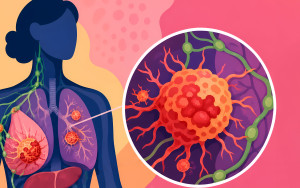
The research group Preclinical Metabolomics aims to investigate metabolic heterogeneity in tumours and their metastases using technologies developed at ISAS. Based on questions from the Department of Dermatology at University Hospital Essen, the group works with mouse models, in vitro models such as cell cultures as well as patient samples, and investigates these using mass spectrometry (MS) and MALDI imaging MS, for example. The translation of the results into the clinic, known as the ‘bench to bedside’ principle, is an essential part of this: in the long term, the scientists want to use the findings to identify new and targeted therapies that address metabolic changes in cancer cells during therapy or metastasis.
Preclinical Metabolomics
Highlights
28th September 2026
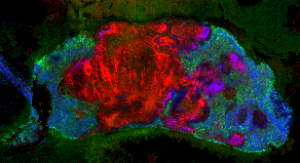
Ceramides Drive Metastasis in Colorectal Cancer
Why do individual colorectal cancer cells form metastases? An international research team, including researchers from ISAS, has identified a mechanism whereby the body’s own synthesis of ceramides can promote the metastasis of colorectal cancer. The study also revealed the role played by the fat content of the diet. The researchers have now published the results of the preclinical model in Science.
25th August 2026
Endogenous Antioxidant Promotes Breast Cancer Cells in the Lung
Oxidative stress puts pressure on metastasising tumour cells – yet they can activate defence mechanisms to cope with it. Prof. Dr Dr Alpaslan Tasdogan explains the specific challenges faced by breast cancer cells in the lungs. In the interview, he discusses the therapeutic potential of specifically targeting these defence mechanisms of tumour cells in the future.
14th August 2026
Endogenous Antioxidant Promotes Breast Cancer Cells in Lungs
How do breast cancer cells manage to establish themselves in the lungs and survive there? Researchers at ISAS are investigating which metabolic processes help the tumour cells to adapt to their new environment. The findings provide new insights into the early stages of metastases.